
India
Key Facts
Annual Visitors : 17.9 million
Capital : New Delhi
Land Area : 3,287,263sqkm | 1,269,219sqm
Population : 1.408 billion
Languages : Hindi
Currency : Indian Rupees
About
India is the second-most populous country in the world, with over 1.4 billion people. India is a land of diversity, with a rich history and culture. The country is home to many different religions, languages, and ethnic groups.
India is a fascinating country with something to offer everyone. Whether you are interested in history, culture, nature, or food, you are sure to have a wonderful time.
Why Go
- Visit the Taj Mahal one of the most famous buildings in the world.
- Explore the Red Fort located in Delhi.
- Pay homage at the Golden Temple.
- Wander through Hampi an ancient city in Karnataka.
- Relax on the beaches of Kerala.
- Explore the forts of Rajasthan in north India.
- Party in Goa west of India. Known for its beaches, nightlife, and casinos.
- Explore the bustling streets of Mumbai.
- Discover the culture of Chennai.
- Learn about the history of Kolkata in West Bengal.
Travel Guides
DELHI
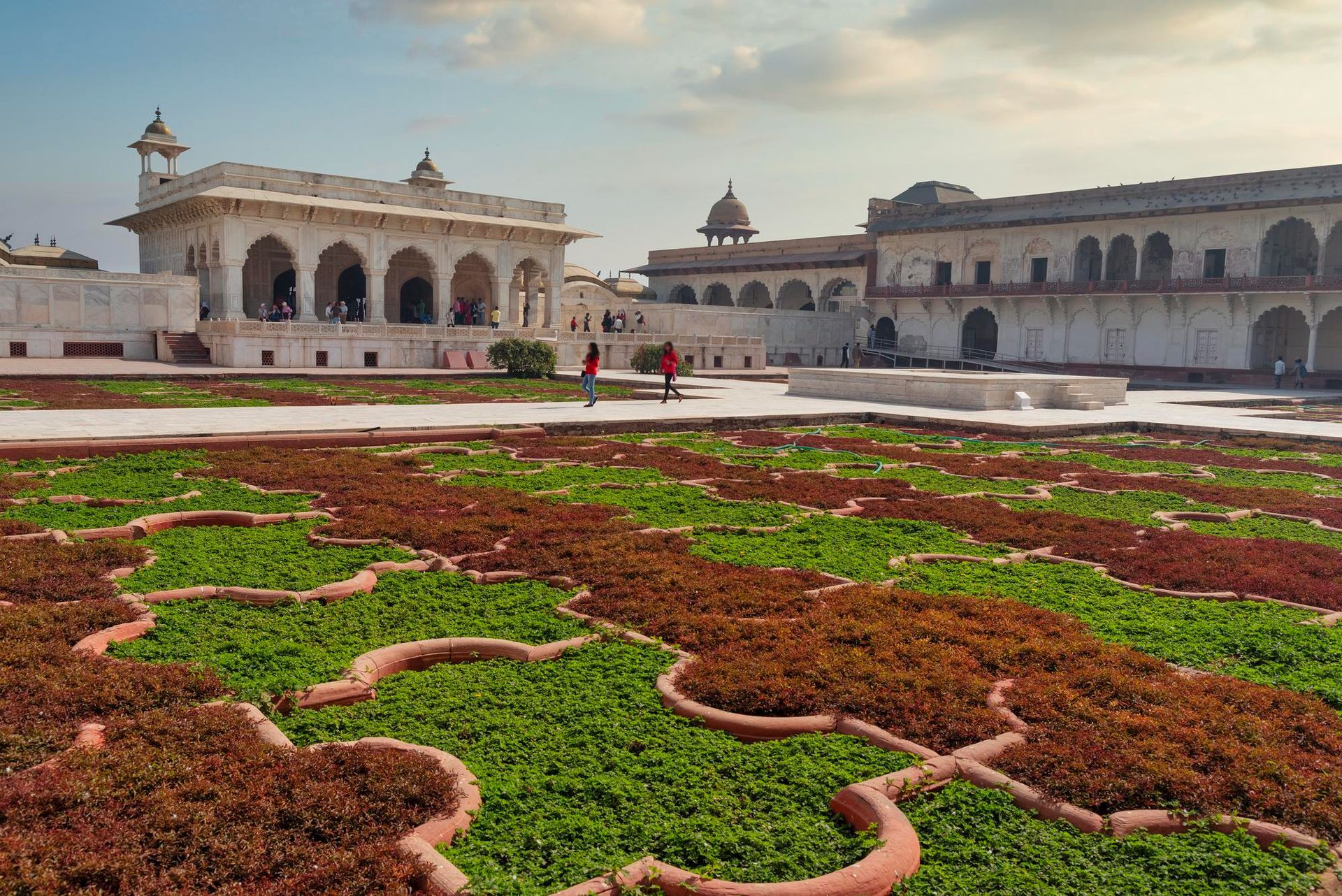
Delhi is the capital of India. It is a city of contrasts and home to many historical monuments, including the Red Fort and the Jama Masjid.
MUMBAI
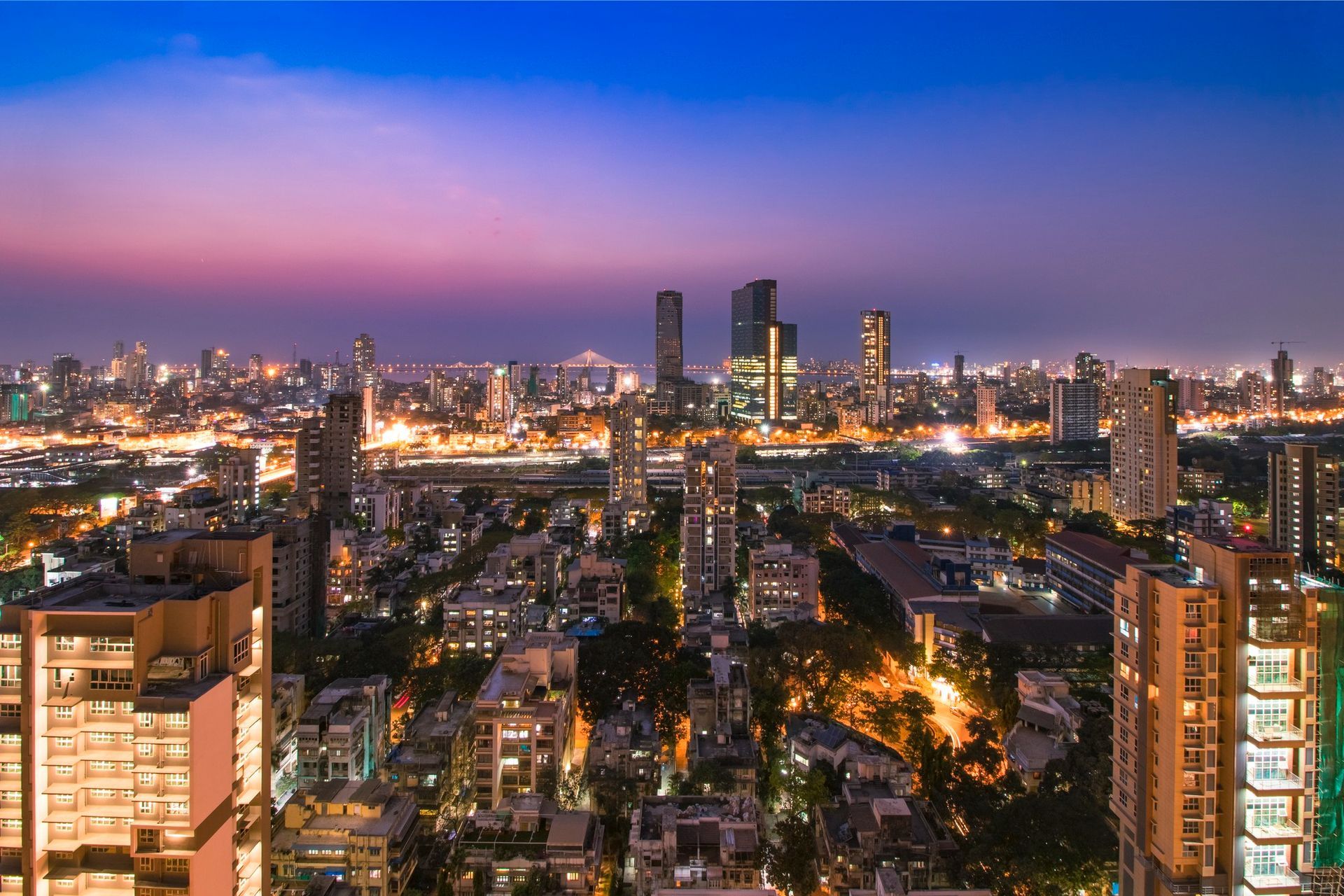
Mumbai is a vibrant and exciting city and the capital of Maharashtra. It is a major center for business, commerce, and entertainment.
AGRA
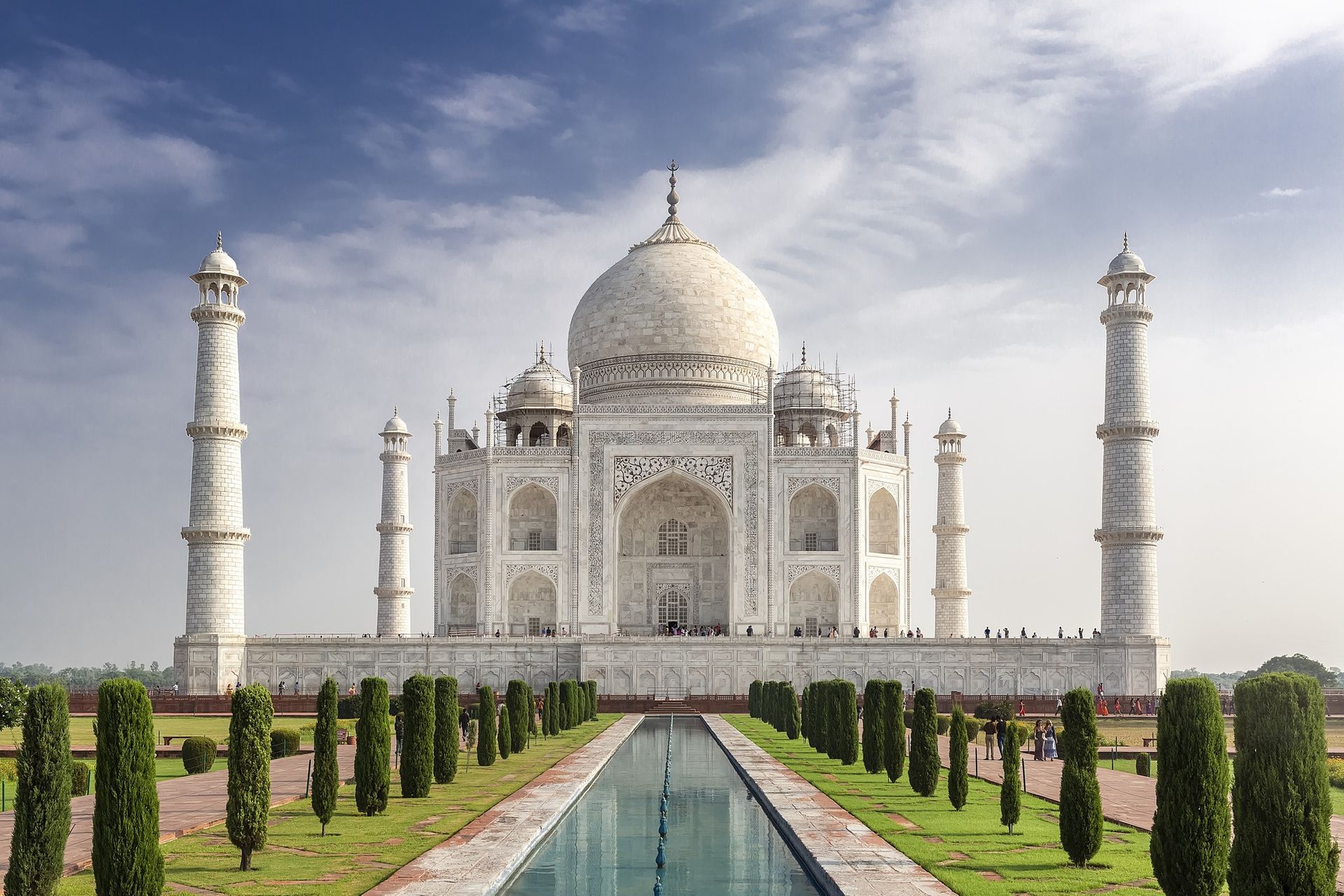
The Taj Mahal is located in Agra. It is one of the most famous buildings in the world and is a UNESCO World Heritage Site.
JAIPUR
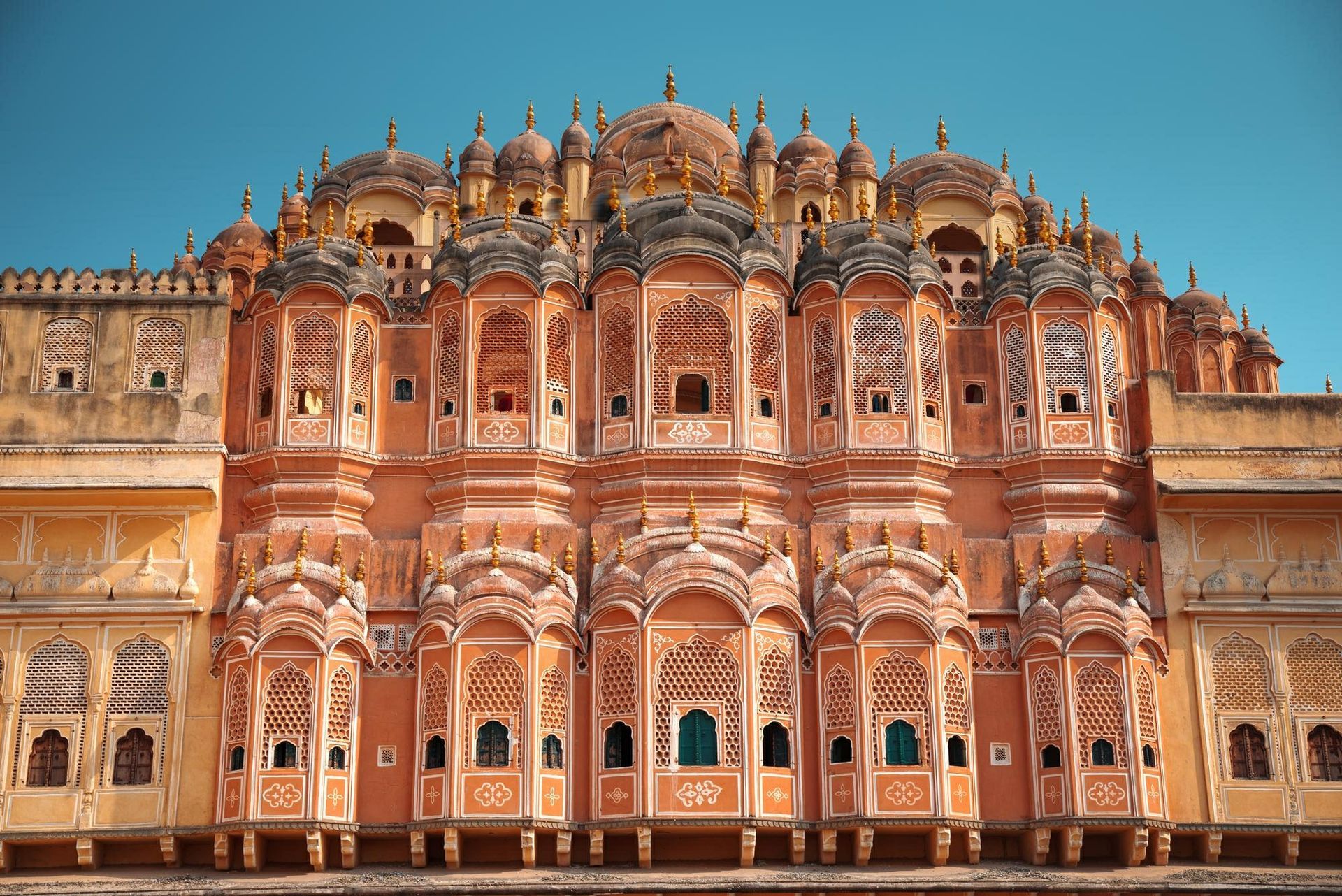
Jaipur is the capital of Rajasthan located in the north of India, a state known for its forts, palaces, and deserts.
CHENNAI
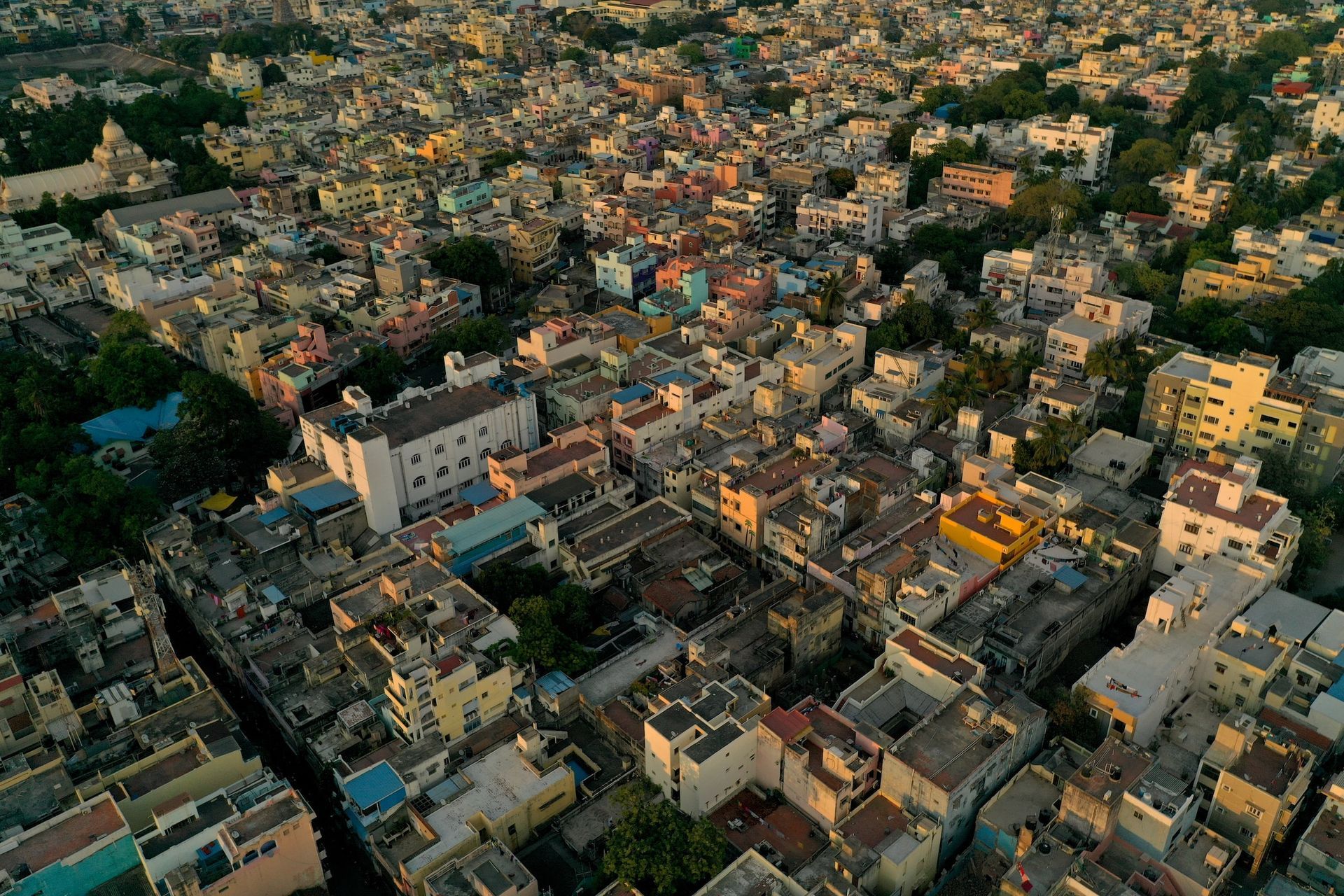
Chennai is the capital of Tamil Nadu, a state known for its beautiful beaches, backwaters, and lush green forests.
KOLKATA
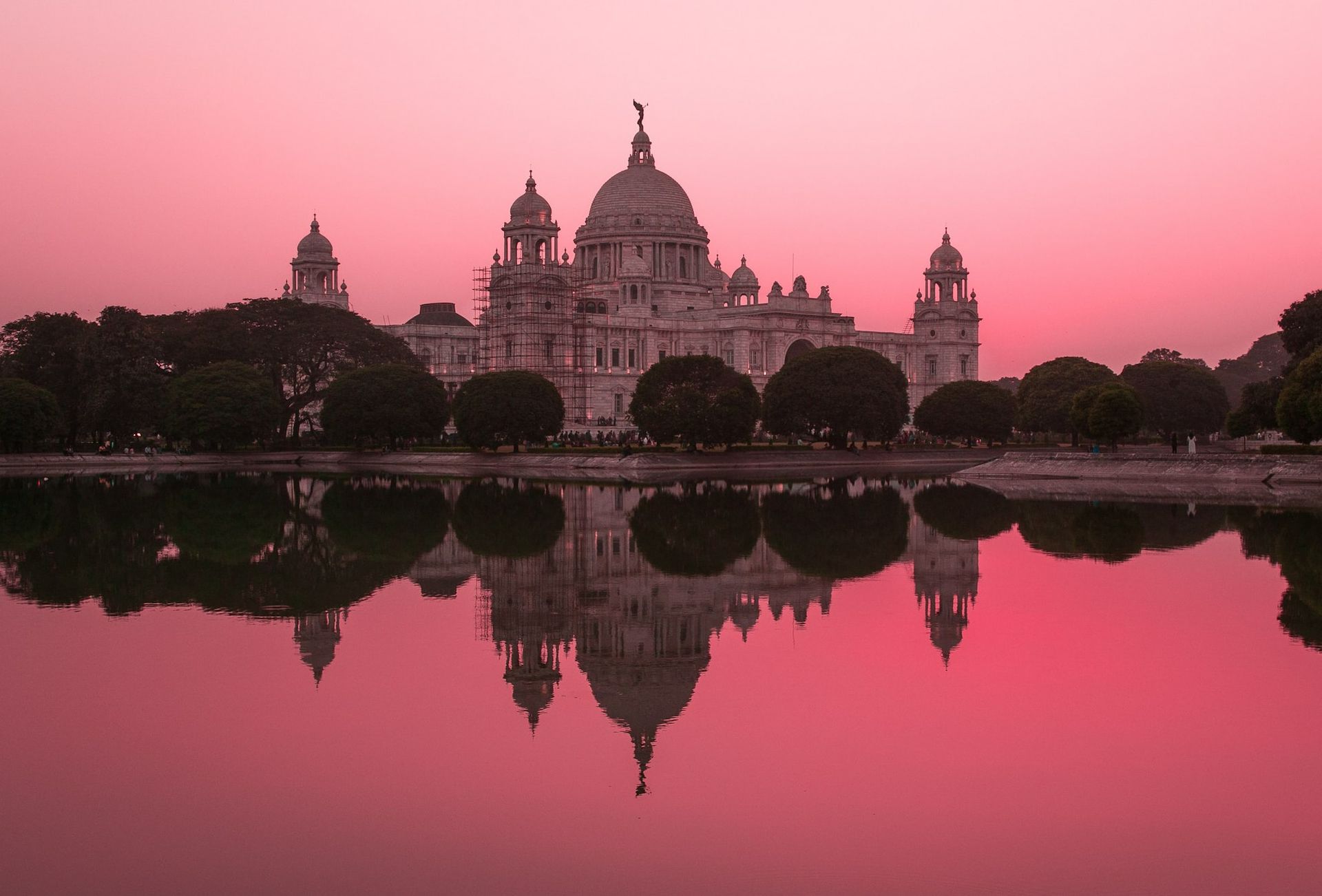
Kolkata is the capital of West Bengal, a state known for its history and culture. It is located 120km from the Bay of Bengal.
GOA
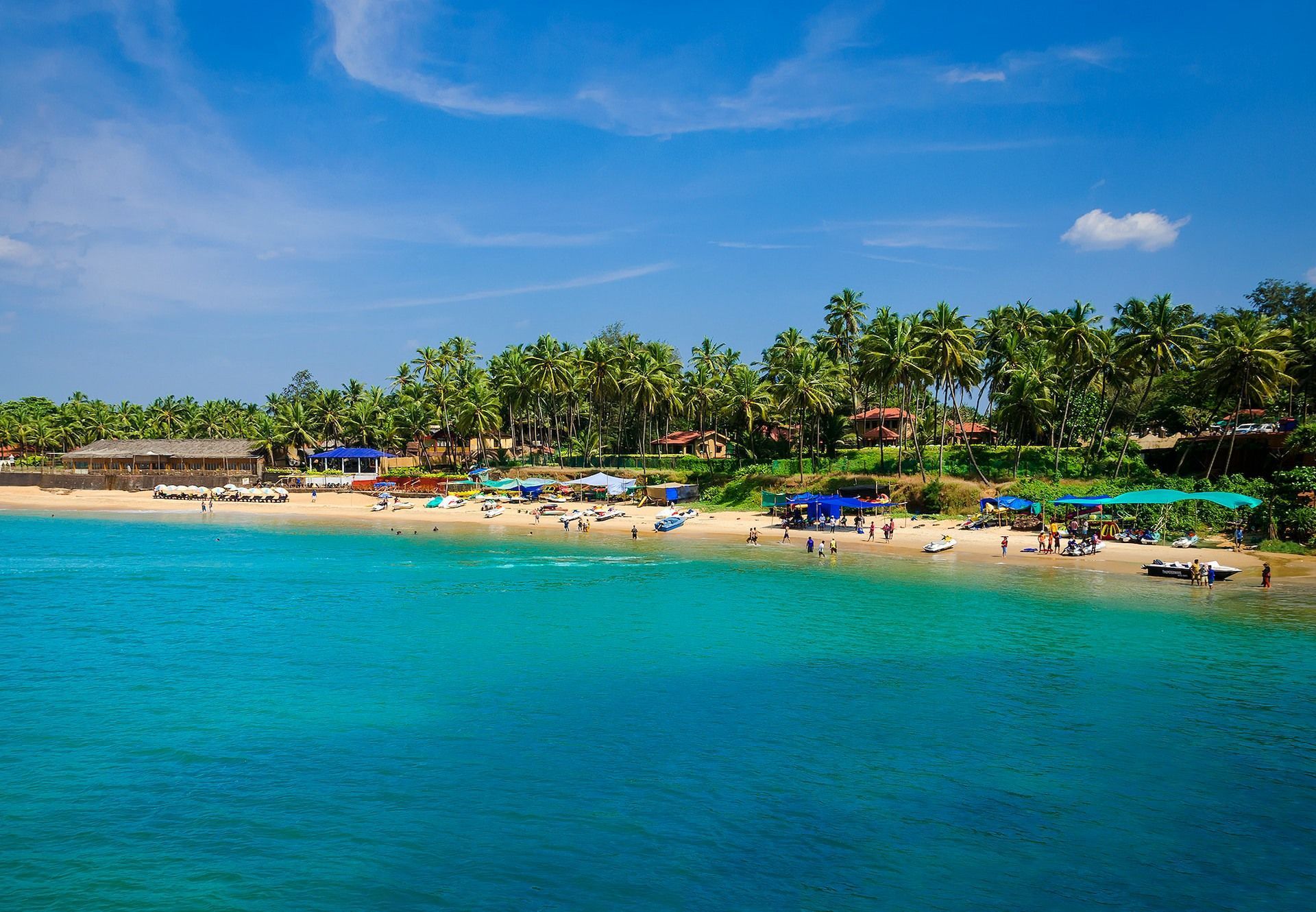
Goa is a state located in the western India on the coast of the Arabian Sea. It is known for its beaches, nightlife, and casinos.
VARANASI
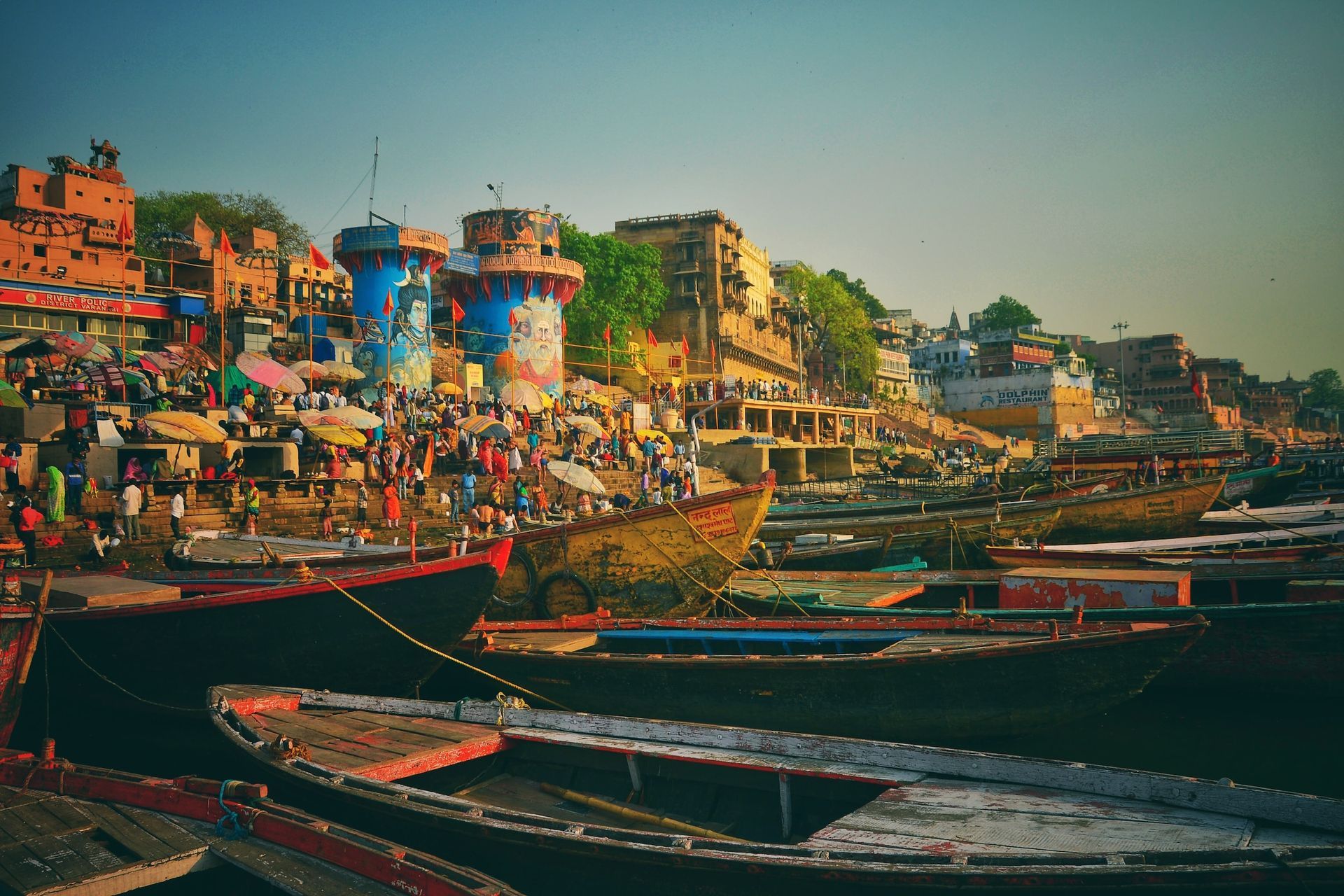
Varanasi is a city on the banks of the Ganges River. It is one of the holiest cities in Hinduism and dates to 1500 BC.
Map
Videos
The best time to visit India is during the winter months, from November to February. The weather is mild and sunny during this time, with average temperatures ranging from 15 to 25 degrees Celsius. The monsoon season runs from June to September, and the weather can be very hot and humid during this time.
Northern India (Delhi, Agra, Rajasthan, Varanasi, Amritsar)
Best time: October to March
This is when days are generally comfortable for sightseeing and nights are cooler (especially in Rajasthan). December–January can be chilly and sometimes foggy around Delhi/Agra, so allow a bit of flexibility for early-morning views.
Good for: classic city touring, forts and palaces, festivals, wildlife add-ons like Ranthambore.
Southern India (Kerala, Tamil Nadu, Karnataka + Goa)
Best time: November to March
Expect warm, sunny beach weather and comfortable conditions for touring, backwaters and hill areas. April–May is hotter and more humid but can be great value. June–September is monsoon season (lush landscapes, fewer crowds), though beach time can be mixed.
Good for: beaches, backwaters, temples, spice plantations, relaxed touring.
Eastern India (Kolkata, Darjeeling, Sikkim side trips)
Best time: October to April
Autumn brings clearer skies after the rains, and November–March is usually ideal for combining Kolkata with Darjeeling. May–June can work for the hills but gets hotter in the plains. July–September is the wettest period and can affect mountain trains and road travel.
Good for: heritage cities, tea country, scenic rail journeys, cooler hill stays.
Central India (Kanha, Pench, Bandhavgarh, Tadoba, Satpura)
Best time: October to April (wildlife focus)
Parks are typically at their best in the drier months. March–April can be warmer but often delivers strong wildlife viewing around waterholes. Many parks close during the monsoon (usually late June to late September, dates vary by park).
Good for: tiger safaris, nature lodges, photographers, “Jungle Book” landscapes.
Western India (Mumbai, Gujarat, Rajasthan’s westward edges)
Best time: October to March
This is the most comfortable time for city touring (Mumbai) and for Gujarat’s cultural and desert regions. April–May is hot inland. June–September is monsoon season on the coast (Mumbai can be very wet and humid).
Good for: Mumbai city breaks, UNESCO heritage, desert/salt plains, cultural festivals.
Bhutan (Paro, Thimphu, Punakha, Tiger’s Nest)
Best time: March–May and October–November
These are the most popular seasons for clear mountain views and comfortable trekking/sightseeing weather. December–February is colder (crisp, quieter, often clear). June–September is monsoon season, which can mean mistier views and occasional travel disruption.
Good for: monasteries, Himalayan scenery, gentle hikes, big cultural experiences.